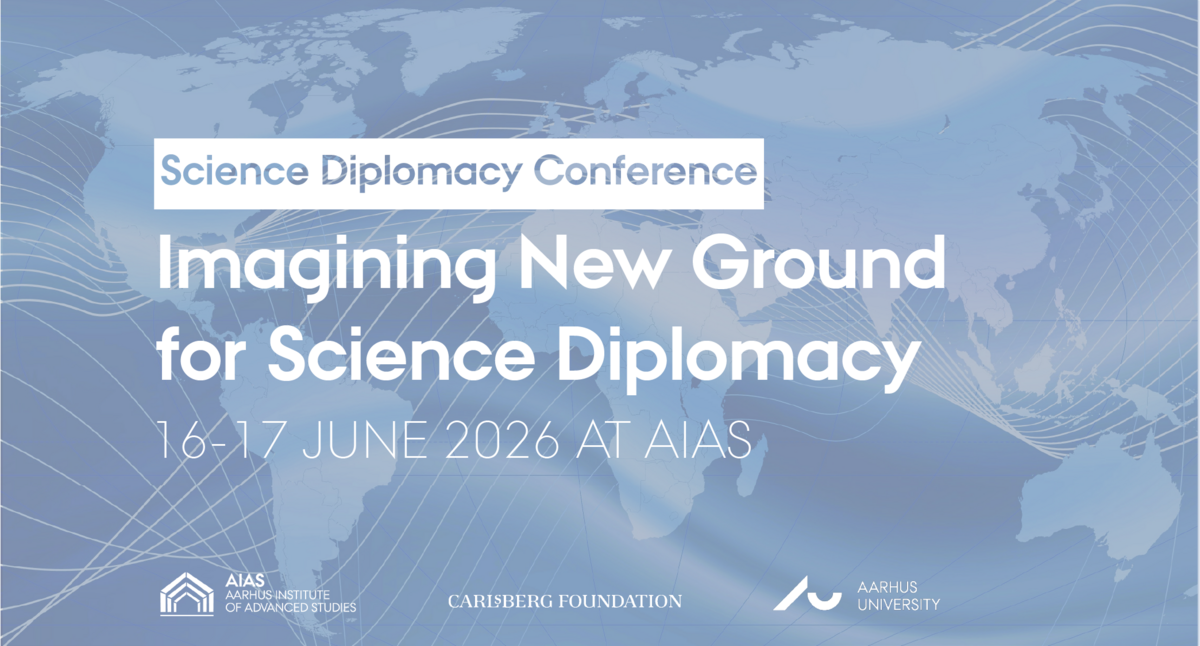
Science diplomacy operates where science and foreign policy meet, often treating science as a tool in tension or competition. Histories of science show its longstanding role in global relations, yet its practical forms remain complex.
The field now faces a turning point shaped by emerging technologies like artificial intelligence and quantum computing, multipolar power dynamics, and urgent planetary challenges. Science is increasingly framed as essential for addressing these issues and securing global advantage.
This moment invites broader perspectives: exploring varied meanings of “science” and “diplomacy,” and expanding beyond hard sciences to include social and human sciences.
We ask: Where can we imagine new ground—and new grounding—for science diplomacy? What practices, perspectives, and possibilities have we overlooked when thinking about how science exists at the intersection of its epistemic and diplomatic dimensions?
Approaching the concept and field of science diplomacy as part of a larger ecosystem of knowledge, power, and global relations requires critically rethinking its foundations and its futures. This means interrogating inherited assumptions, experimenting with new analytical frames, and asking what has been neglected or excluded. For example:
16 JUNE 2026
9:00-9:30: Welcome and Coffee (The AIAS Science Diplomacy Theme Group)
9:30-11:00: Panel 1: The challenges of Science Diplomacy
Chair: Matteo De Donà (Science Diplomacy Fellow, AIAS)
11:00-11:30: Break
11:30-13:00: Panel 2: Politics and diplomacy in International scientific collaboration
Chair: Kristian Hvidtfelt Nielsen (Science Studies, Aarhus University)
13:00-14:00: lunch
14:00-14:45: Roundtable A: Science Diplomacy and geopolitics - perspectives from institutions
Discussants:
Angela Liberatore (Science Diplomacy Fellow EUI and former Head of the Scientific Department at the ERC)
Alan Irwin (Copenhagen Business School/Aarhus University and Chair of the Committee on Science in Society in the Danish Royal Academy)
Robert Feidenhans'l (Copenhagen University and former Chairman of the Management Board for the European XFEL)
Moderators: Casper Andersen and Maria Rentetzi (AIAS Science Diplomacy Group)
14:45-15:00: Break
15:00-16:00: Roundtable B: Science Diplomacy and geopolitics - the role of Institutes of Advanced Studies
Discussants
Sophie Halart (IEA Nantes)
Olivier Bouin (NetIAS)
Christian Suhm (HIAS)
Flashlight: Ulrike Dorfmüller (HIAS)
Moderator: Andreas Roepstorff (AIAS)
16:00-16:30: Break
16:30-18:00: Panel 3: Space Diplomacy
Chair: Nina Vohnsen (Aarhus University Space Centre)
18:00-20:00: Reception at AIAS
17 June 2026
9:30-11:00: Panel 4: Science diplomacy and the public
Chair: Rachel Fishberg (Science Diplomacy Fellow, AIAS)
11:00-11:15: Break
11:15-12:15: Panel 5 and poster presentations: Science diplomacy in policy and practice
Poster presentations:
Chair: Maria Rentetzi (Science Diplomacy Fellow, AIAS)
12:15-13:00: Lunch
13:00-14:30: Poster browsing and networking
14:30-15.45: Panel 6: Science Diplomacy, non-state actors and stakeholders
Chair: Casper Andersen (Science Diplomacy Fellow, AIAS)
15:45-16:15: Closing discussion
Registration is closed.
Please find a document with list of hotels here (the list starts with the pricier hotels) and guidance on how to get to Aarhus here.
The conference has received funding from the Carlsberg Foundation and has been organised by the AIAS-Science Diplomacy Theme-group consisting of four fellows:
Casper Andersen, Department of Philosophy and History of Ideas, Aarhus University, Denmark
Maria Rentetzi, Department of Science Technology and Gender Studies, Friedrich-Alexander Universität Erlangen-Nürnberg, Germany
Matteo de Donà, Department of Political Science, Lund University, Sweden
Rachel Fishberg, Department of Political Science at Aarhus University, Denmark


AIAS is a member of the European Union Science Diplomacy Alliance.
Science diplomacy as research topic and practice is a thematic focus at AIAS.