
Changing Earth in Time and Space: Land, Ocean, Climate and People
A two-day interdisciplinary workshop organized by earth scientist, AIAS Fellow Nazik Ogretmen brought experts together to address, share and learn from research across dis-ciplines around the topic of our changing Earth and our changing climate.

Climate changes have been a part of Earth’s evolution on various timescales as part of a continuous kinesis with biotic and abiotic responses encompassing the geosphere, hydrosphere and biosphere – land, oceans and people.
In an interdisciplinary workshop Changing Earth in Time and Space: Land, Ocean, Climate and People, AIAS-AUFF Fellow Nazik Ogretmen brought together experts from multiple disciplines to generate synergy to explore new approaches and improve our understanding of our changing planet and climate.
Connecting disciplinary expertise across continents and fields
Fields and disciplines at the workshop spanned several areas such as geoscience, marine ecology, oceanography, environmental science and archaeology, reflecting the variety of research topics explored.
Presentations took participants deep down in the oceans from Indonesia to Greenland to learn how the Indonesian Throughflow and tectonic patterns near the Greenland Icesheet affect global climate; and to the shallow waters of coastal vegetated habitats and salt-marshes that are in decline – also on a global scale.
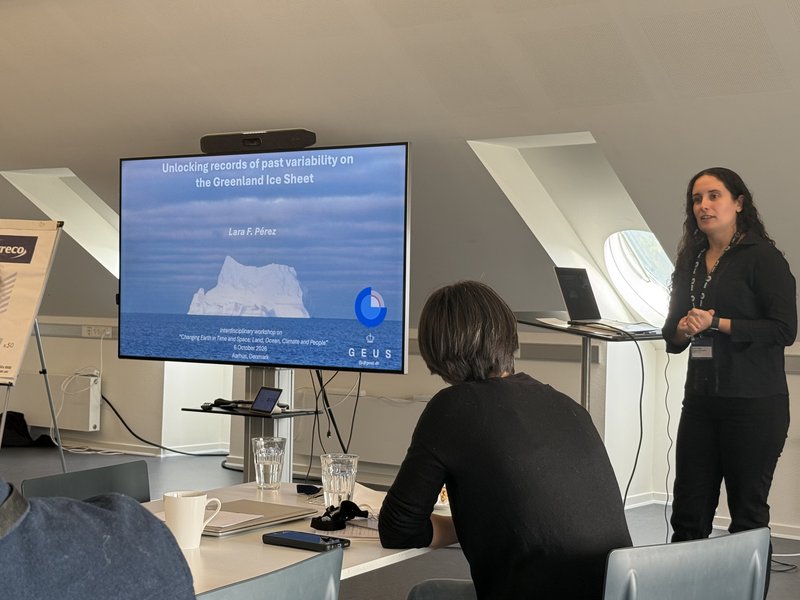
Lara Perez from Geological Survey of Denmark and Greenland (GEUS) presented her team’s first insights from the International Ocean Discovery Program (IODP) Expedition 400 that collected sediment records in 1,800 meters depth in the Arctic region (Baffin Bay) – records that contain 30 million years of ice sheet history.
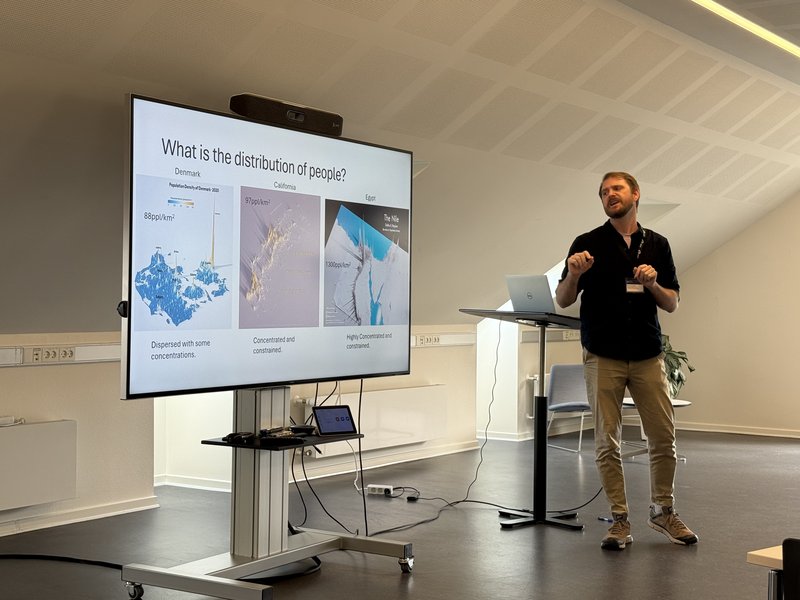
Present day experiences of climate induced coastal hazards in Denmark and Mexico were shared – and what this means for citizens, municipalities and farmers. How geology and sea-levels have changed over time, have formed human settlements past and present and in the future; and surprisingly, the loss of marine vegetation even mean the loss of archaeological remains and artefacts.
Challenges in a connected world
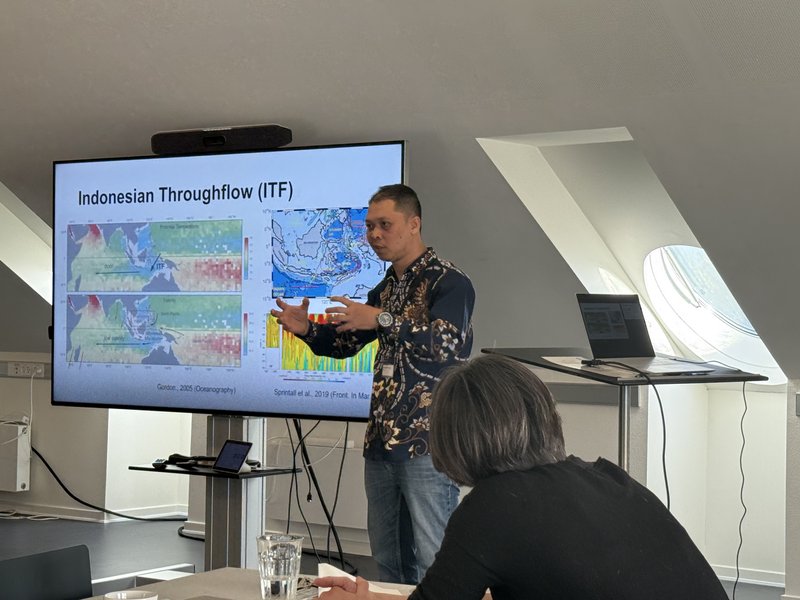
From Indonesia’s National Research and Innovation Agency (BRIN), paleoceanographer Marfasran Hendrizan presented how the Indonesian Throughflow plays a significant role in global ocean circulation, and at the same time pointed out barriers as more past climate records are needed from this area to understand, predict and plan properly.
“When we lose a marine habitat, we may lose a blue carbon storage,” Dorte Krause-Jensen from the Department of Ecoscience at Aarhus University pointed out, highlighting that the nature-based solutions to protect and restore marine habitats cannot stand alone and should be followed by reduced CO2 emissions.
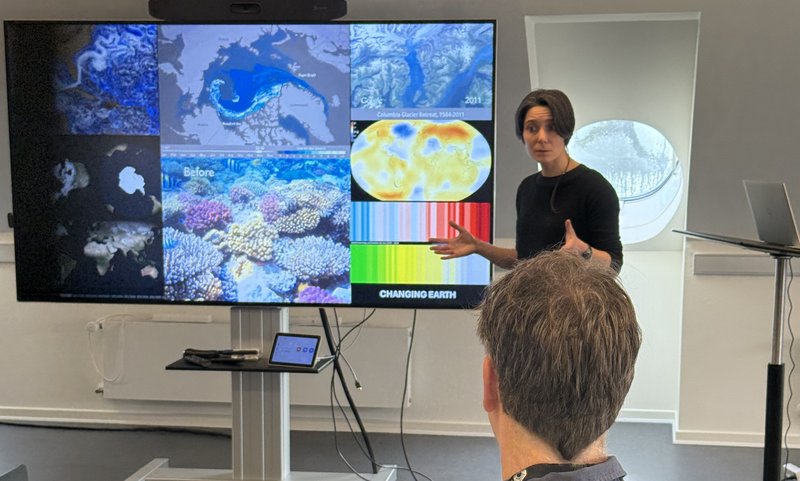
How does all this connect? Whether we dive deep into the ocean or stay at shallow waters, changes will not only affect us locally but on a global scale.
“What happened during past warming climates can help us prepare and adjust to the changes that are projected to come. We can only achieve these steps with interdisciplinary knowledge exchange,” Nazik Ogretmen expressed.
Earth in the next 100 years - Next steps
A second meeting is in the making that will zoom in on the topic of ‘Earth in 100 years’ is planned to be held in November 2026. If you are interested in this initiative, please contact Nazik Ogretmen.
- List of speakers and programme of the Changing Earth in Time and Space: Land, Ocean, Climate and People workshop here: https://aias.au.dk/events/show/artikel/changing-earth-in-time-and-space-land-ocean-climate-and-people
Contact
Nazik Ogretmen, AIAS-AUFF Fellow
E-mail: nog@aias.au.dk
Aarhus Institute of Advanced Studies, AIAS
Høegh-Guldbergs Gade 6B
DK-8000 Aarhus C
Denmark