
AI in Research - Fireside chat #1
AI is not creating a new crisis in science. It is amplifying the ones we already have. That was a key theme in the first Fireside chat on AI in Research at AIAS with Morten Axel Pedersen, Deputy Prorector for AI at the University of Copenhagen and Anja Bechmann, Professor of Media Studies at Aarhus University.

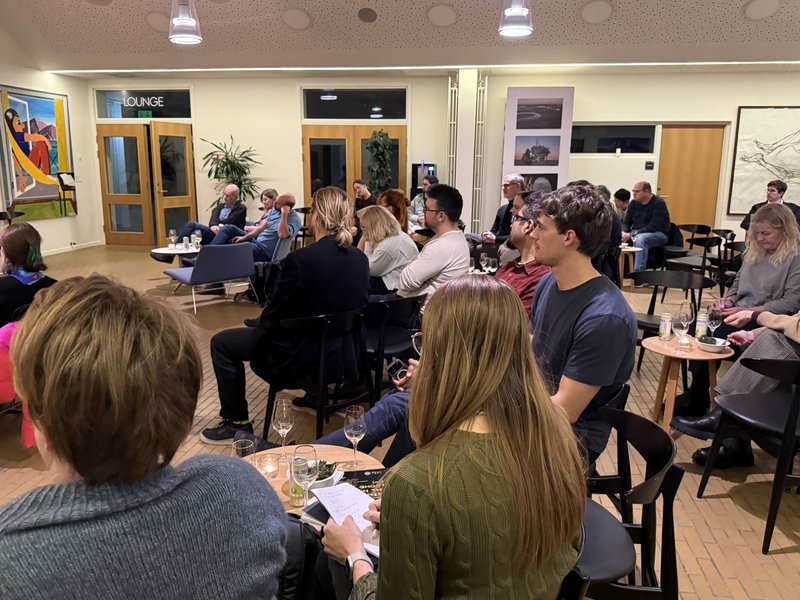
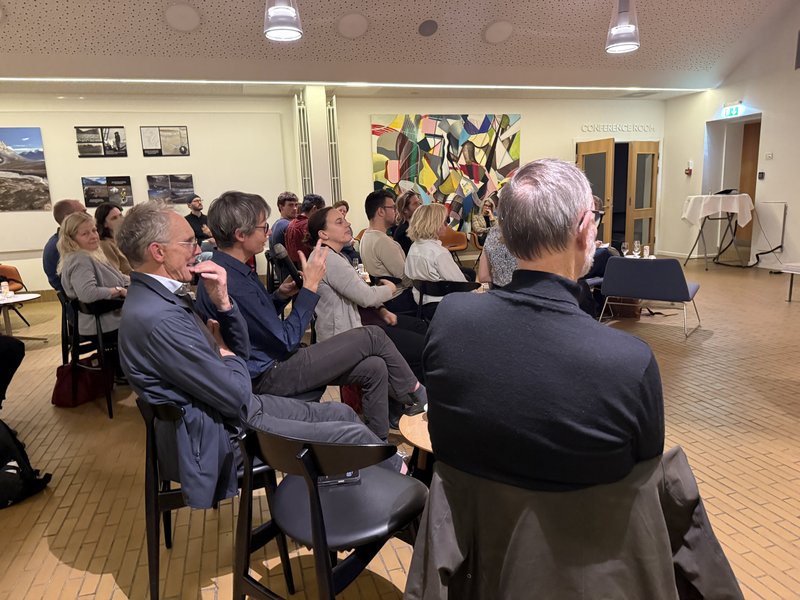
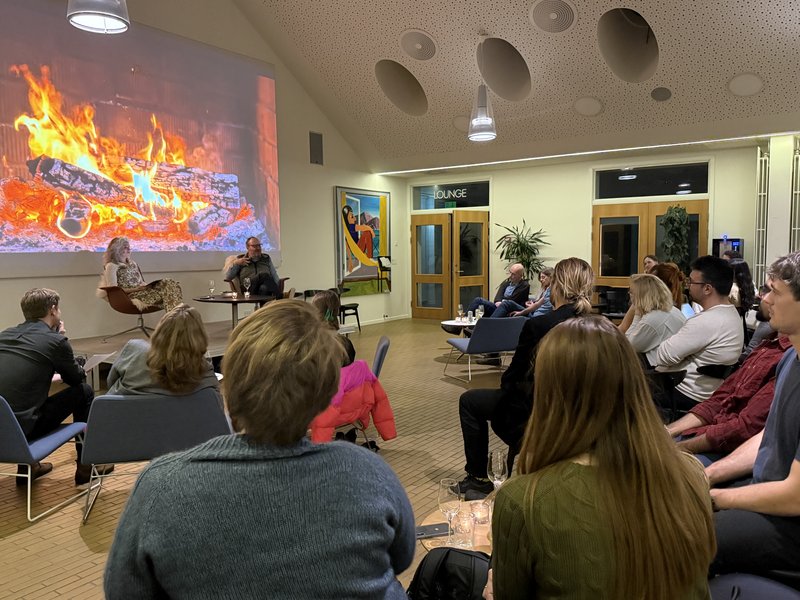
The topic of the first ‘Fireside Chat: AI in Research’ centered around the opportunities, responsibilities and risks of using AI in research, and what universities must do to ensure its responsible use.
With inspiration from the great comments from the participants, we have here gathered some keypoints of the talk between Anja Bechmann and Morten Axel Pedersen and the discussion.
Journal and conference submissions are rising faster than we can review them. AI makes writing cheaper, but not checking. The review burden grows, and nobody is going to carry it. More papers rest on vibe-coded analyses, an AI-assisted practice, that are hard to check fully. The tempting answer is to let AI review AI, and then the loop closes.
Solutions
Anja Bechmann proposes some solutions (not exhaustive, not perfect), based on the #1 Fireside discussion:
- Agree on AI involvement with co-authors, and openly recognise AI support (and potentially prompting history) in publications
- Work with the scenario that AI will be part of all review and assessment processes in academia and beyond, and set boundaries accordingly
- Aim AI at researchers' administrative tasks. In cases where AI ends up only talking to AI, consider whether the task can be dropped altogether
- Let research labs choose the best AI models for frontier research, while institutions offer their own solutions for institutional and potentially routine research tasks
- Recognise what we already know from studies of digital behaviour: researchers, like everyone else, want a frictionless AI environment. If they work in one tool every day, they will not switch just because another is easier for the organisation. Secure interoperability instead
- Do not tie researchers to their institutions. Give them their own AI agents they train and own and can take with them wherever they go next, within and beyond academia, as long as GDPR and other regulations are strictly followed
- Create and support new formats in academia that put informal discussions among peers at the centre, as a supplement to the "prompting colleagues".
The #1 ‘Fireside Chat: AI in Research’ was organised in collaboration with Videnskabernes Selskab/ The Royal Danish Academy of Sciences and Letters, DATALAB – Center for Digital Social Research at Aarhus University and the Aarhus Institute of Advanced Studies (AIAS) at Aarhus University.
16 December 2026: AI in Research: AI & Creativity in Science – Fireside Chat #2
Join AIAS to continue the discussion on AI in Research on 16 December 2026 at 16.00 when the #2 Fireside Chat turns to the topic of AI & Scientific Creativity with Peter Dalsgaard, Professor of Human-Computer Interaction at Aarhus University, who has invited Kirsten Drotner, professor of media studies, founding director of two national research centres and chair of the Digitalisation Committee of the Royal Danish Academy of Sciences and Letters. Together they will discuss how AI tools may affect the creative process in research and what opportunities and implications this will bring about.
Contact
Andreas Roepstorff, Director
E-mail: andreas.roepstorff@aias.au.dk
Aarhus Institute of Advanced Studies, AIAS
Høegh-Guldbergs Gade 6B
DK-8000 Aarhus C
Danmark